
Leídos (2014)
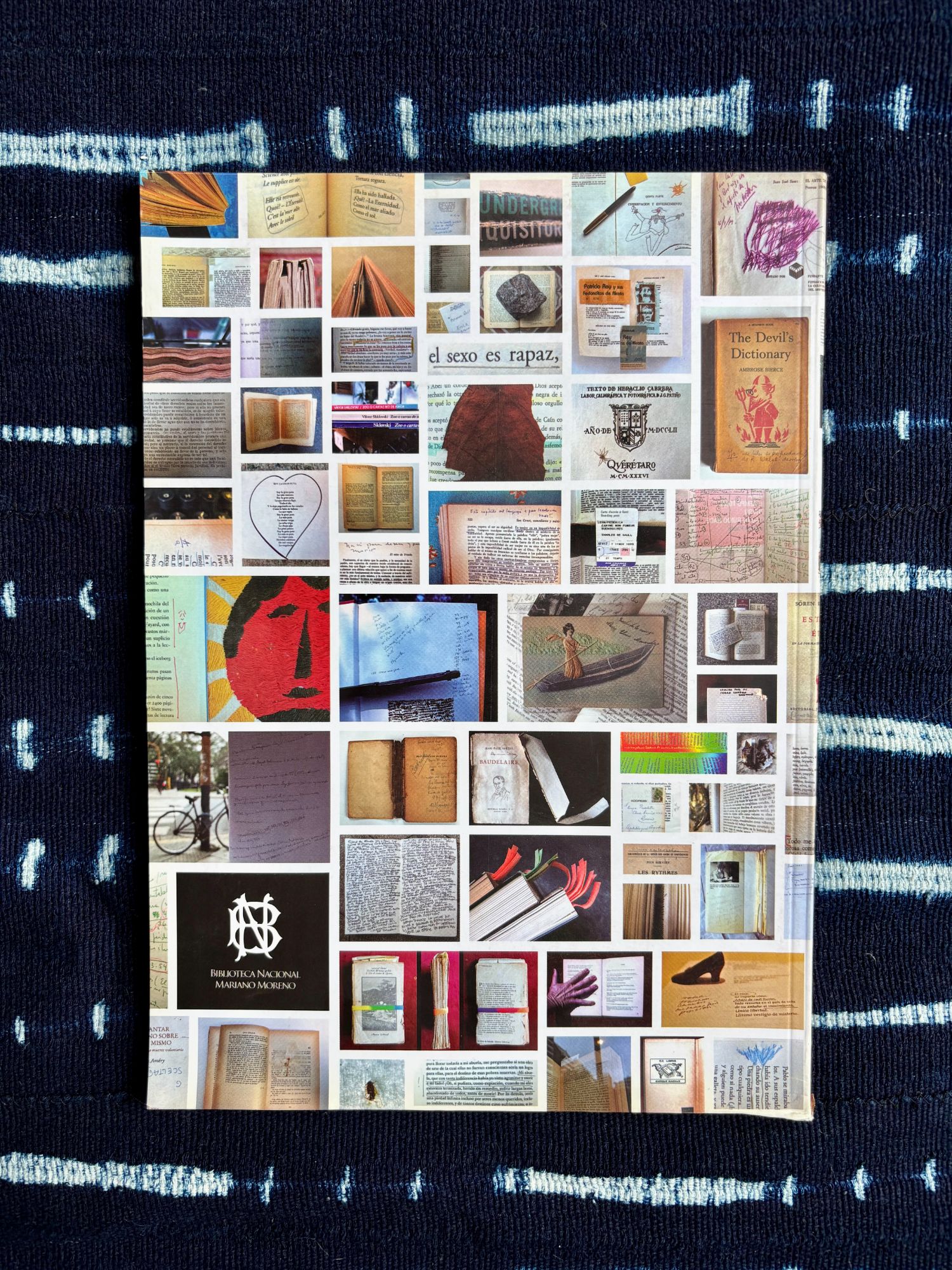
Title: Leídos / Publisher: Biblioteca Nacional / City: Buenos Aires / Year: 2014
Repercussion
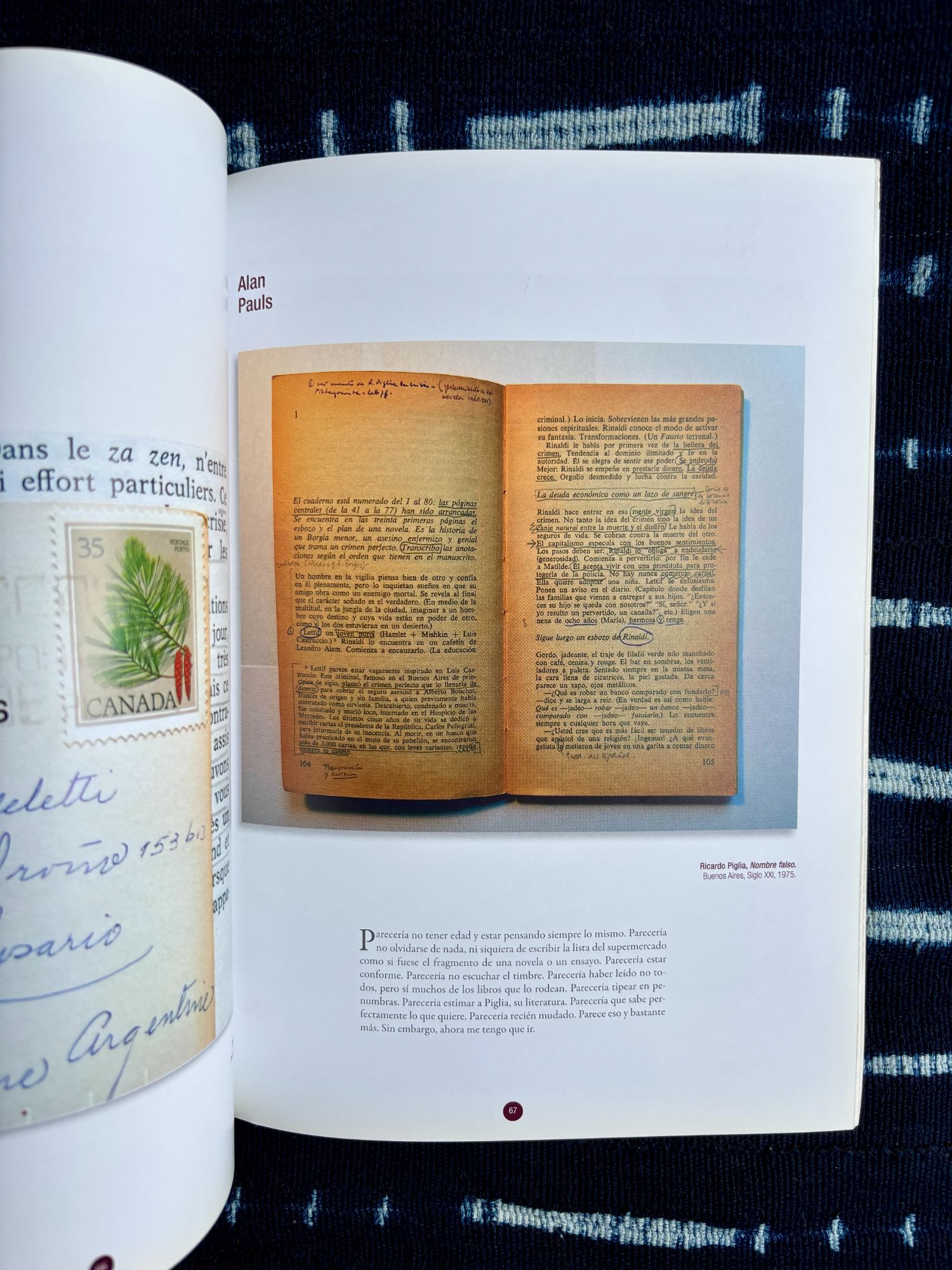
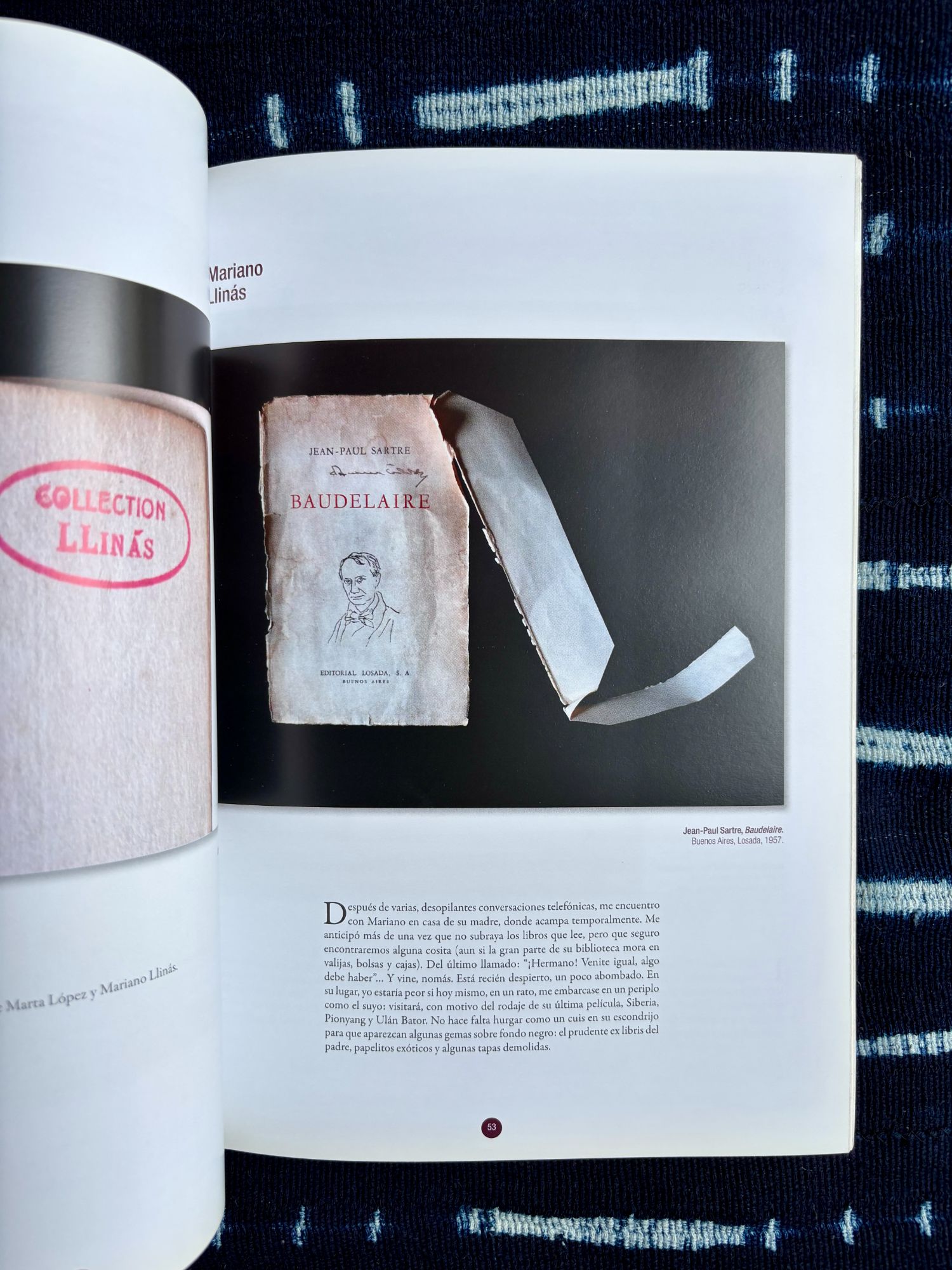
A few years ago I inherited the complete works of Oliverio Girondo with annotations made in pencil by my maternal grandfather, whom I never met. The faint, mystical, flickering handwriting of Karol, dying in his bed, gave the impression that it would disappear with every turn of the page. He, a friend of the poet, had written in the margins of some pages things like “at any moment we meet up there”. Faced with the possibility that these apostilles might be lost, I photographed them instinctively.
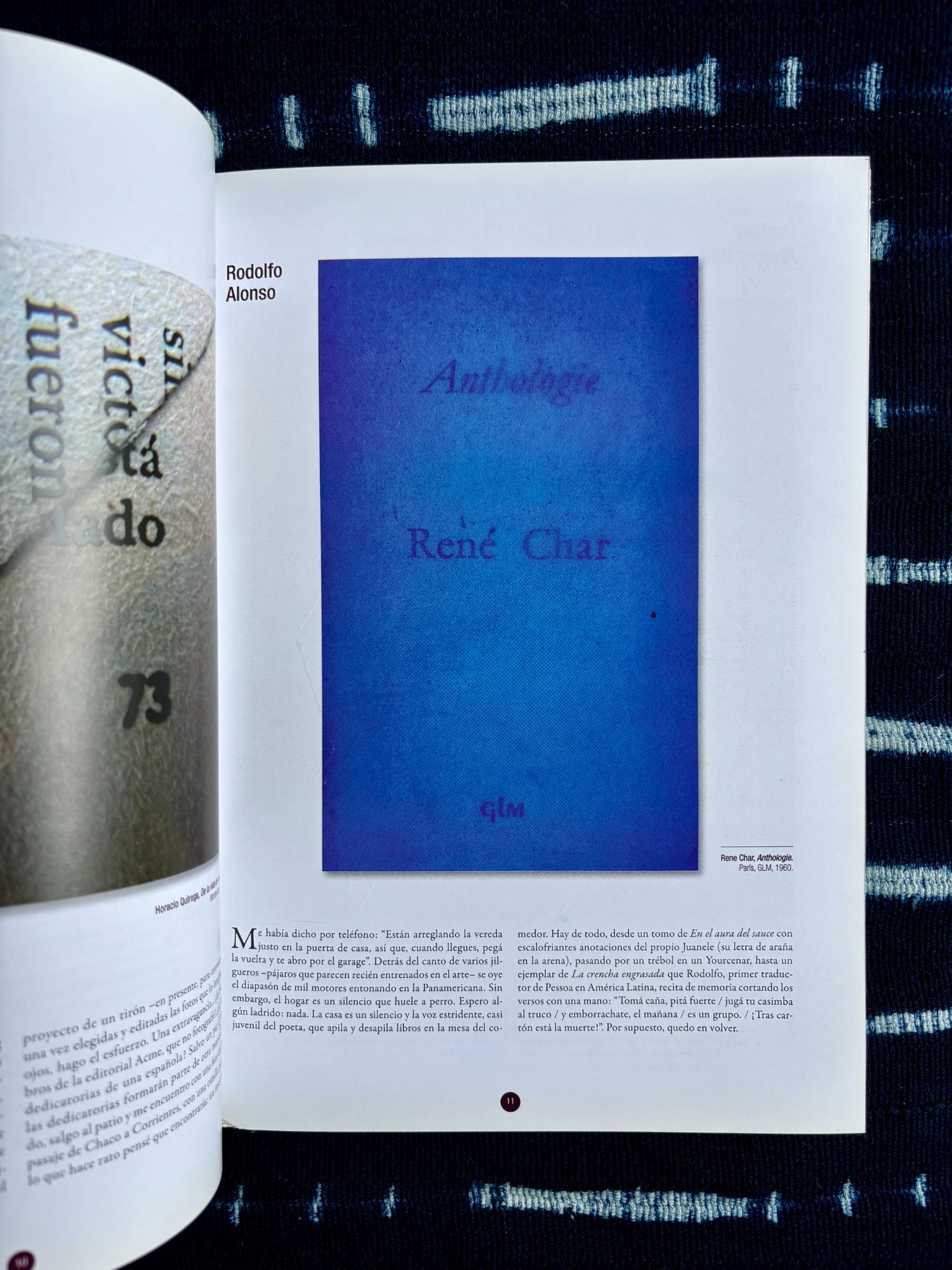
This is the germ of Leídos, in which I register that which leaves no visible or corporeal marks: reading. That is why, in order to rescue these testimonies from oblivion or from the summary secret of the romance between reader and book, bookshelf and library, I chose writers of all kinds. There are young and old, poets and novelists, acclaimed and unknown…
They opened the heavy door to a vault where I found literally everything. Writers who underline in pencil, in thick markers, in biro; writers who point out what interests them with bar napkins; writers who write stories, anecdotes or dreams on the edges of other people’s poems; writers who catch flowers between yellowed pages; writers who fold the ends of pages; writers who proofread; writers who are careful when marking the books they read and writers who are not so careful; writers who use the most precious copies of their libraries as phone books or coasters; writers who annotate annotated books; writers who treasure books scribbled by other writers; writers who look like plastic artists; writers who mark what they read while letting themselves be guided by the swaying of the bus or the cab! And finally, the illustrious absentees of Leídos: those who, like César Aira, Leila Guerriero or Rodrigo Fresán, do not intervene in any way with the books in their libraries in such a way that it seems they have never been touched.
From the aesthetic point of view, the photos I took were adapted to what each author offered and to the “accidents” that our meeting provoked. We usually met at their homes – or in nearby bars – and I let the photographs take their own pace, without forcing them. For this reason, the images differ a lot from each other and have been tracing a map as comical and fetishistic as obsessive or strange.
The greatest challenge of Leídos was to put an arbitrary brake on the project -99 writers, a nice number- and to expose the heteroclite universe of photos that I consider most interesting without “tying” the image to an enlightening epigraph, but letting that information circulate in parallel in this catalog.
What do we do when we read, what sacrificial punch do our hands carry over the book, against the book?
Horacio Gonzalez
